
Post-Merger Integration Checklist: 30 Steps for Day 1 to 100

What Is Post-Merger Integration (PMI)? A successful post-merger integration (PMI) requires a structured playbook that spans from Day 1 readiness to the first 100 days. Critical steps involve establishing an Integration Management Office (IMO), unifying IT and HR systems, aligning financial controls, and executing a clear communication plan to retain top talent and key clients. […]
OpenShift Pricing in 2026: Managed vs. Self-Managed
What Is OpenShift and How Much Does It Cost to Run It? OpenShift is a Kubernetes-based platform for building, deploying, and managing containerized applications. It packages Kubernetes with opinionated defaults, security controls, and developer tooling such as CI/CD pipelines and image management. The goal is to reduce the operational burden of running Kubernetes while standardizing […]
Openshift Virtualization: Features, Architecture, and Tutorial
What Is Red Hat OpenShift Virtualization? OpenShift Virtualization is a Red Hat OpenShift feature that lets you run traditional Virtual Machines (VMs) alongside containers and serverless functions on a single platform, using KVM and KubeVirt to manage them like native Kubernetes objects for a unified hybrid cloud experience, simplifying migration and modernization for mixed workloads. […]
Openshift vs Kubernetes: 9 Key Differences and How to Choose
Introducing Kubernetes and OpenShift Kubernetes is an open-source container orchestration framework, while OpenShift is a commercial, enterprise-ready application platform built on top of Kubernetes. The key difference is that OpenShift provides a “batteries-included” experience with integrated tools, enhanced security, and professional support, while Kubernetes offers maximum flexibility for building a customized solution. OpenShift vs. Kubernetes: […]
Openshift vs VMware: How They Work, 6 Differences, and How to Choose
Introducing OpenShift and VMware VMware is a mature, hardware-centric virtualization leader for traditional VMs, focusing on granular control and stability, while OpenShift is a Kubernetes-native platform for managing containers that now also supports VMs (OpenShift Virtualization), offering a unified environment for hybrid cloud, DevOps, and microservices, emphasizing speed, automation, and consistency across container and VM […]
Data Center Capacity Planning: KPIs, Methods, and Best Practices
What Is Data Center Capacity Planning? Data center capacity planning is the process of evaluating and strategically preparing for a data center’s current and future needs in areas like space, power, cooling, and computing resources to meet workload demands. This involves assessing existing capacity, predicting future growth, and implementing a plan to ensure the IT […]
Data Center Migration: Complete Guide 2026
What is a Data Center Migration? Data center migration is the process of moving an organization’s data and processes from one data center to another or a cloud environment. It can also refer to moving data from one room or floor to another within the same data center. Data center migrations can be complex and […]
Best Application Dependency Mapping Tools: Top 10 Tools in 2026
What Are Application Dependency Mapping Tools? Application dependency mapping tools automatically discover and visualize the real-time connections between software, servers, and network services, to improve troubleshooting, cloud migration, and security compliance. Top tools include Faddom, Device42, and Virima. These platforms help teams plan cloud migrations, fix network errors, and manage system changes safely. Modern tools […]
Top 6 On-Premise Application Dependency Mapping Software in 2025
TL;DR: On-premise ADM software ranges from agentless dependency mapping tools to full observability platforms. Best for: Faddom (agentless mapping), Device42 (CMDB integration), Dynatrace (observability), and AppDynamics (transaction tracing). What Is Application Dependency Mapping Software? Application dependency mapping (ADM) software identifies and visualizes relationships between applications, servers, databases, and other IT components within an infrastructure. It […]
Data Center Infrastructure Management (DCIM): Is It Right For You?
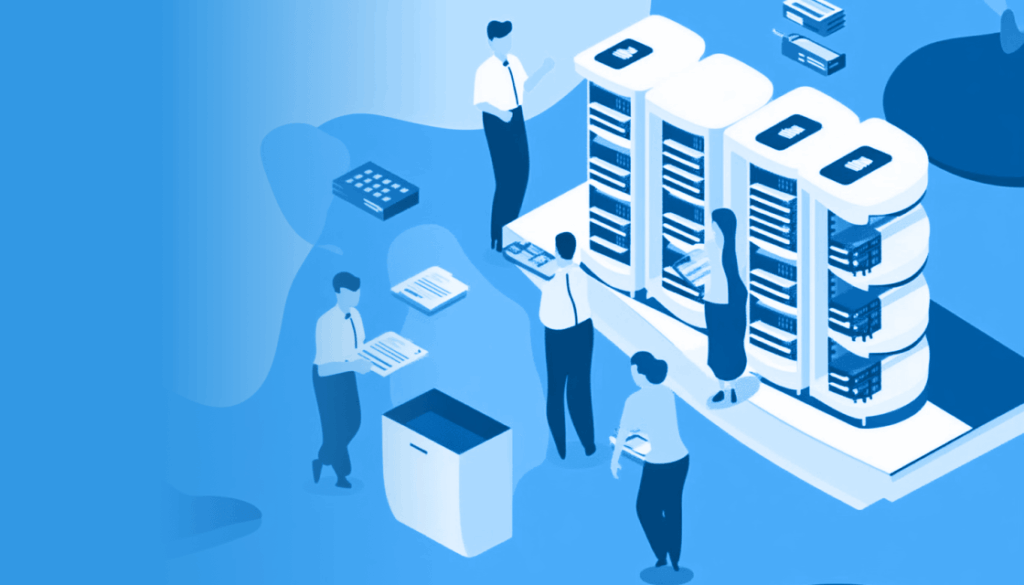
What Is Data Center Infrastructure Management (DCIM)? Data center infrastructure management (DCIM) covers tools and methodologies to monitor, measure, and manage data center resources. DCIM provides operators with an integrated view across various domains, ensuring better control over data center operations. By centralizing monitoring processes, DCIM aids in the management of power consumption, cooling, and […]