
What Is IT Asset Management Software
IT asset management (ITAM) software helps organizations track and manage their IT assets throughout their lifecycle. These assets include hardware such as computers and servers, software licenses, and other technology-related inventories.
ITAM software automates asset discovery, inventory tracking, and compliance with licensing agreements, leading to improved oversight and cost savings. It simplifies the process of monitoring asset usage, depreciation, and assignment, reducing the risk of resource wastage.
Another advantage of ITAM software is its capability to improve decision-making in IT departments. With real-time visibility into asset status and availability, organizations can optimize resource allocation and budget planning. Additionally, ITAM systems aid in identifying underutilized or redundant assets, allowing organizations to reallocate or retire them.
Editor’s note: Added market information for IT asset management and updated information for all software solutions to reflect features and capabilities in 2026.
Understanding the IT Asset Management Market
The IT asset management market was valued at USD 1.7 billion in 2025 and is projected to reach USD 3.0 billion by 2035. This reflects a compound annual growth rate (CAGR) of 6.1% over the forecast period. Growth is primarily driven by increasing IT complexity, regulatory requirements, and rising software licensing costs.
Key Growth Drivers
Organizations are investing in IT asset management to reduce operational costs, improve asset utilization, and maintain compliance across complex infrastructures. The expansion of remote and hybrid work models has increased the need for centralized visibility into distributed assets.
Adoption of cloud computing, virtualization, and IoT devices is also increasing the number and diversity of managed assets. As a result, companies require more advanced tools for lifecycle management, license optimization, and security oversight. Integration of AI-driven analytics and automation features is further strengthening the value of ITAM platforms.
Cybersecurity concerns and stricter data governance requirements are additional drivers. Businesses are using ITAM systems not only for inventory tracking but also to support vulnerability management and regulatory compliance.
Which Organizations Are Investing in Asset Management?
By enterprise size, small and medium-sized enterprises (SMEs) represent the largest share of the market, accounting for 57.8% in 2025. Growth in this segment is linked to increased digital adoption and the availability of subscription-based and modular solutions tailored to smaller IT teams.
In terms of deployment, on-premise solutions hold a 46.9% share. Many organizations prefer on-premise models to maintain control over sensitive asset data and meet strict regulatory requirements. This is particularly relevant in industries with high data protection obligations.
By end-use industry, the BFSI sector leads with a 21.4% share. Financial institutions rely on ITAM systems to manage large, distributed IT infrastructures while meeting compliance and security standards. Increased digitization and the expansion of endpoint devices continue to drive adoption in this segment.
Key Features of IT Asset Management Software
Asset Discovery and Inventory Management
Asset discovery and inventory management features allow organizations to automatically discover and catalog all IT assets in their network, providing an up-to-date view of all hardware and software. By automating the inventory process, organizations can save time and reduce errors that occur during manual tracking. This is crucial for identifying redundant or underutilized resources.
With precise inventory management, organizations can ensure compliance with software licensing terms and avoid potential legal issues arising from unauthorized use. This also supports strategic asset allocation decisions by providing insights into asset usage patterns and lifecycle status.
Software License Management
Software license management (SLM) helps organizations manage their software licenses, ensuring compliance and avoiding legal pitfalls. SLM tools track software usage, monitor license renewals, and ensure that software deployment adheres to licensing agreements. This feature reduces the risk of non-compliance fines and optimizes software spending by identifying unused licenses that can be re-allocated or terminated.
Additionally, SLM provides valuable insights into software utilization, helping IT managers make informed decisions about software procurement and renewal strategies. By tracking software license expirations and renewals, organizations can prevent service interruptions and maintain continuous operations.
Hardware Lifecycle Management
This feature tracks hardware assets at every stage, providing detailed insights into usage patterns, performance metrics, and depreciation. By managing hardware lifecycles, organizations can optimize maintenance schedules, extend asset lifespan, and plan timely upgrades, resulting in reduced costs and improved operational efficiency.
Hardware lifecycle management also enables decision-making by providing data on the total cost of ownership (TCO) and return on investment (ROI) for each asset. Real-time information on asset health and lifecycle stage helps organizations prioritize capital expenditures and optimize resource allocation.
Automation and Workflow Management
By automating tasks such as asset tracking, license renewals, and compliance checks, ITAM software reduces manual effort and minimizes errors. Automation ensures that processes are consistently applied, freeing up IT staff to focus on strategic initiatives.
Additionally, workflow management capabilities enable organizations to define and enforce procedures for asset procurement, deployment, and retirement. These capabilities ensure that all asset-related actions are routed through predefined approval processes, maintaining control and accountability.
Reporting and Compliance Management
The reporting tools within ITAM software provide detailed insights into asset inventory, utilization, and financial implications, enabling informed strategic decisions. These tools can generate customizable reports to meet various analytical needs and align asset management practices with organizational objectives.
Compliance management tools monitor compliance with licensing agreements and regulatory requirements, mitigating risks associated with non-compliance. By providing real-time visibility into compliance status and potential violations, ITAM solutions allow organizations to implement corrective measures swiftly.
Related content: Read our guide to IT mapping
10 Notable IT Asset Management Software and Tools
Dedicated IT Asset Management (ITAM) Solutions
1. Faddom

Faddom is a powerful agentless IT asset and application dependency mapping solution that gives IT teams full visibility into their infrastructure in real-time. Unlike traditional ITAM tools, Faddom offers deep insights into how IT assets interact across on-premise, cloud, and hybrid environments, helping organizations optimize resources, prevent shadow IT, and ensure compliance.
With its passive, non-intrusive approach, Faddom eliminates security risks associated with active scanning, making it an ideal solution for organizations with strict security requirements. Deployment takes less than 60 minutes, meaning teams can achieve instant visibility without complex setups.
Key features include:
- Agentless asset discovery: Automatically detects IT assets and their relationships without impacting performance.
- Comprehensive dependency mapping: Visualizes how assets interact, aiding in optimization and risk management.
- Security-first approach: No active scanning ensures minimal network disruption.
- Change impact analysis: Helps IT teams assess risks before making infrastructure modifications.
- Hybrid IT visibility: Covers both on-premise and cloud environments for a complete ITAM strategy.
Schedule a call with our experts to see Faddom in action!

2. IBM Maximo Application Suite

IBM Maximo Application Suite is an enterprise asset lifecycle management platform that centralizes maintenance, inspection, and reliability processes. It combines asset management with AI, analytics, and IoT data to improve operational visibility and control. The suite is intended to manage assets from procurement through decommissioning while supporting maintenance and performance optimization.
Key features include:
- Unified asset lifecycle management: Manages planning, maintenance, inspection, and optimization activities across the full asset lifecycle in one platform.
- AI-powered monitoring and insights: Uses AI and analytics to identify issues early and improve reliability and maintenance planning.
- Predictive maintenance capabilities: Applies advanced analytics and IoT data to anticipate failures and reduce unplanned downtime.
- Mobile asset management: Enables technicians to perform inspections and maintenance tasks using mobile tools in the field.
- Centralized dashboards and workflows: Provides operational dashboards and automated workflows to coordinate asset and facilities management activities.

Source: IBM

3. Asset Panda

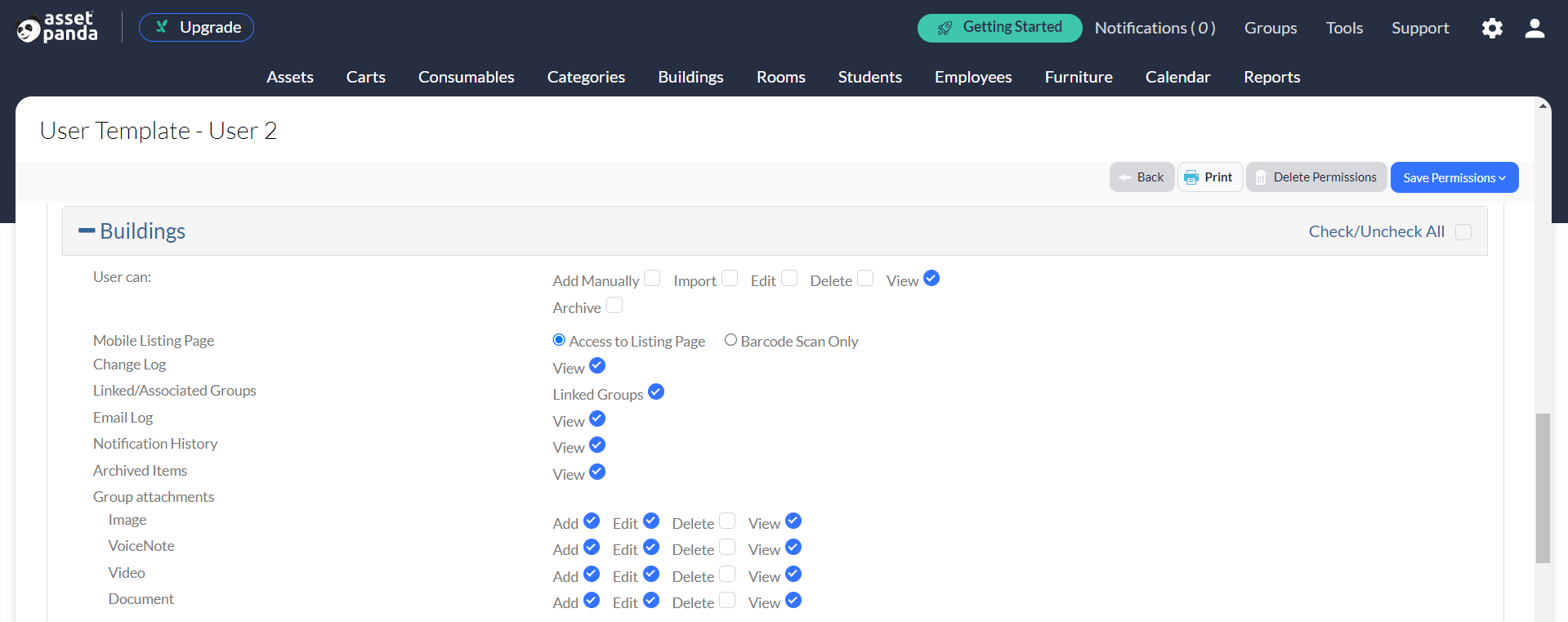
Asset Panda is a configurable asset management platform that serves as a centralized system of record for physical and digital assets. It supports compliance and audit readiness with detailed asset histories and configurable workflows. The platform uses built-in AI capabilities to assist with configuration and data accuracy while maintaining full audit trails.
Key features include:
- Configurable asset tracking: Adapts to different asset types and business processes without requiring changes to existing workflows.
- Comprehensive asset records: Maintains action histories, warranty details, documents, and images in a single consolidated system.
- Compliance and audit trails: Provides standardized processes, signatures, and complete audit logs to support accountability.
- Mobile and barcode support: Enables asset scanning and updates through mobile devices to improve accuracy and speed during audits.
- Integration with existing systems: Syncs asset data with other business applications to create a unified source of truth.

Source: Asset Panda
4. Freshservice IT Asset Management

Freshservice IT Asset Management is part of the Freshservice platform, which combines IT service management and asset management in a unified environment. It connects ITAM with automation, AI capabilities, and a configuration management database to support visibility and operational control. The platform aims to unify ITSM, ITAM, and IT operations.
Key features include:
- Unified IT and asset management: Brings ITSM and ITAM capabilities together on one platform for centralized control.
- AI-powered service management: Uses built-in AI tools to improve agent productivity and automate service and asset workflows.
- Integrated configuration management database: Maintains relationships between assets and services to support impact analysis and change management.
- Workflow automation: Automates asset-related processes such as requests, approvals, and lifecycle transitions.
- Enterprise-wide service extension: Extends service and asset management beyond IT to other business teams on the same platform.

Source: Freshworks
5. Ivanti IT Asset Management

Key features include:
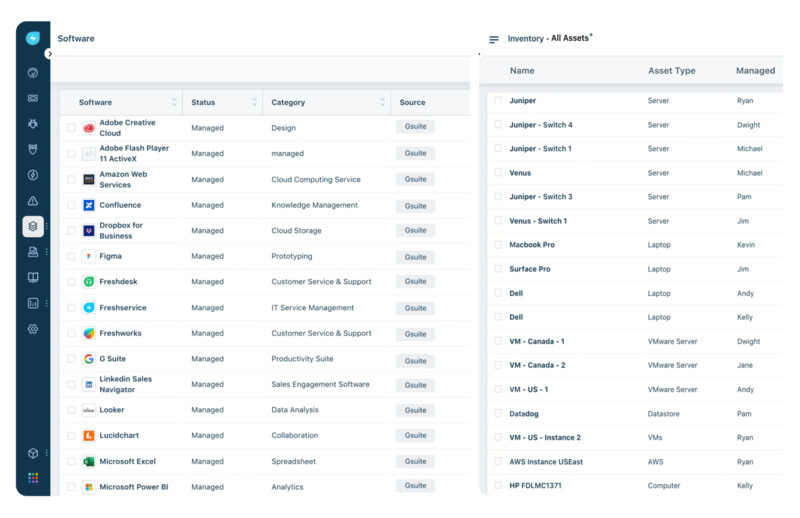
- Lifecycle asset optimization: Manages IT assets from acquisition through retirement while tracking contracts, warranties, and financial details.
- AI-driven insights: Uses AI capabilities to detect anomalies, surface risks, and improve operational efficiency.
- Centralized asset visibility: Provides insight across hardware, software, and other IT assets within a unified environment.
- Integration with service management: Connects asset data with ITSM workflows to improve incident, change, and request handling.
- Automation and workflow integration: Supports automated processes and integration with external applications through workflow tools.

Source: Ivanti
6. EZO

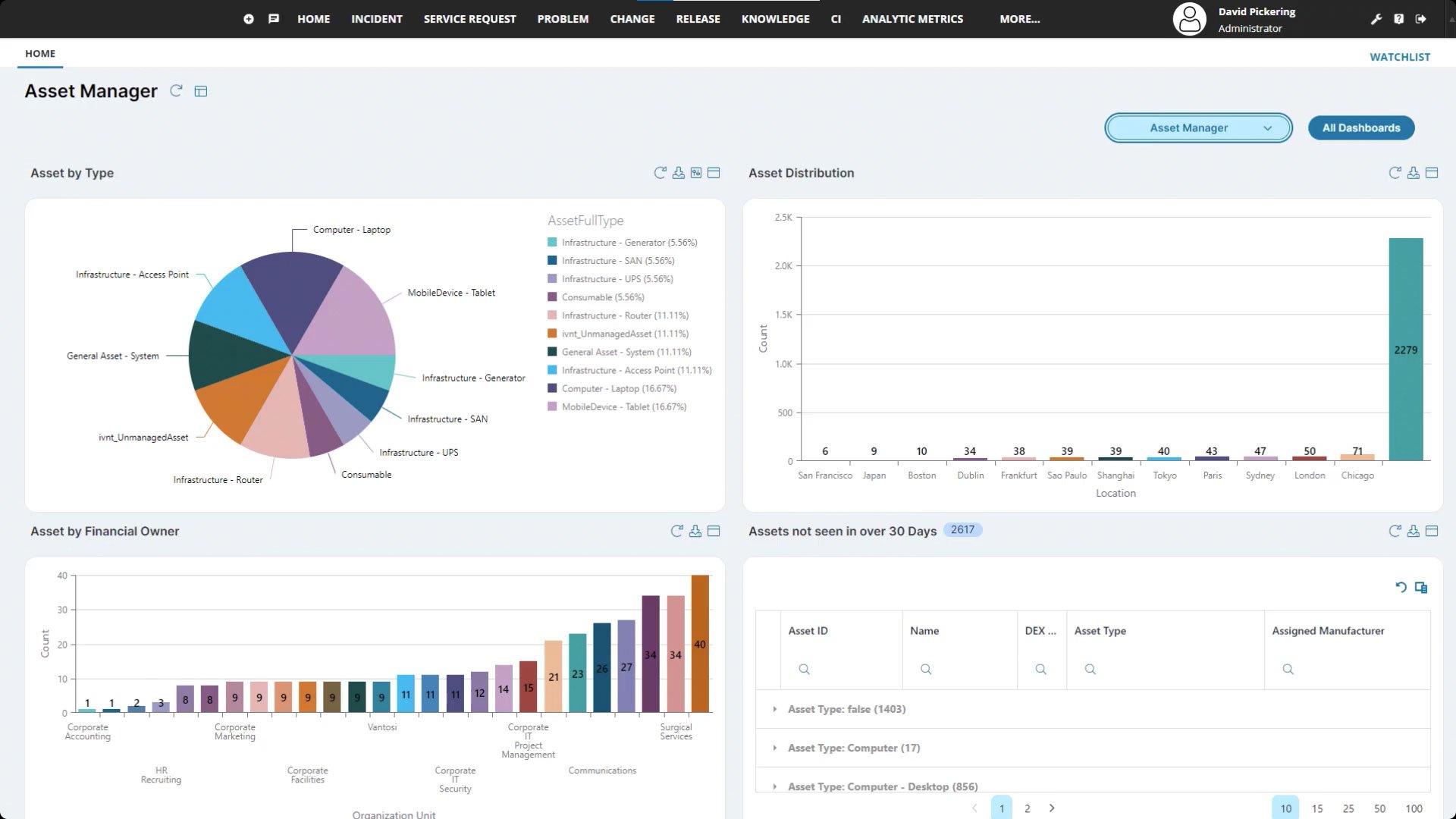
EZO is an enterprise asset management and CMMS platform focused on tracking, movement, and maintenance of mission-critical assets. It connects asset visibility with request management, maintenance workflows, and procurement processes in a single system. The platform emphasizes operational control through real-time tracking and automation.
Key features include:
- Real-time asset visibility: Tracks asset location and custody using technologies such as GPS, QR codes, and RFID.
- Integrated maintenance management: Supports preventive and proactive maintenance workflows to reduce downtime.
- Request and checkout management: Manages asset reservations, assignments, and returns through structured workflows.
- Automated workflows and AI assistance: Uses automation and AI tools to streamline reporting, procurement, and maintenance tasks.
Inventory and procurement management: Links stock levels and purchasing processes to asset usage data for better planning.

Source: EZOfficeInventory

7. ManageEngine Asset Explorer

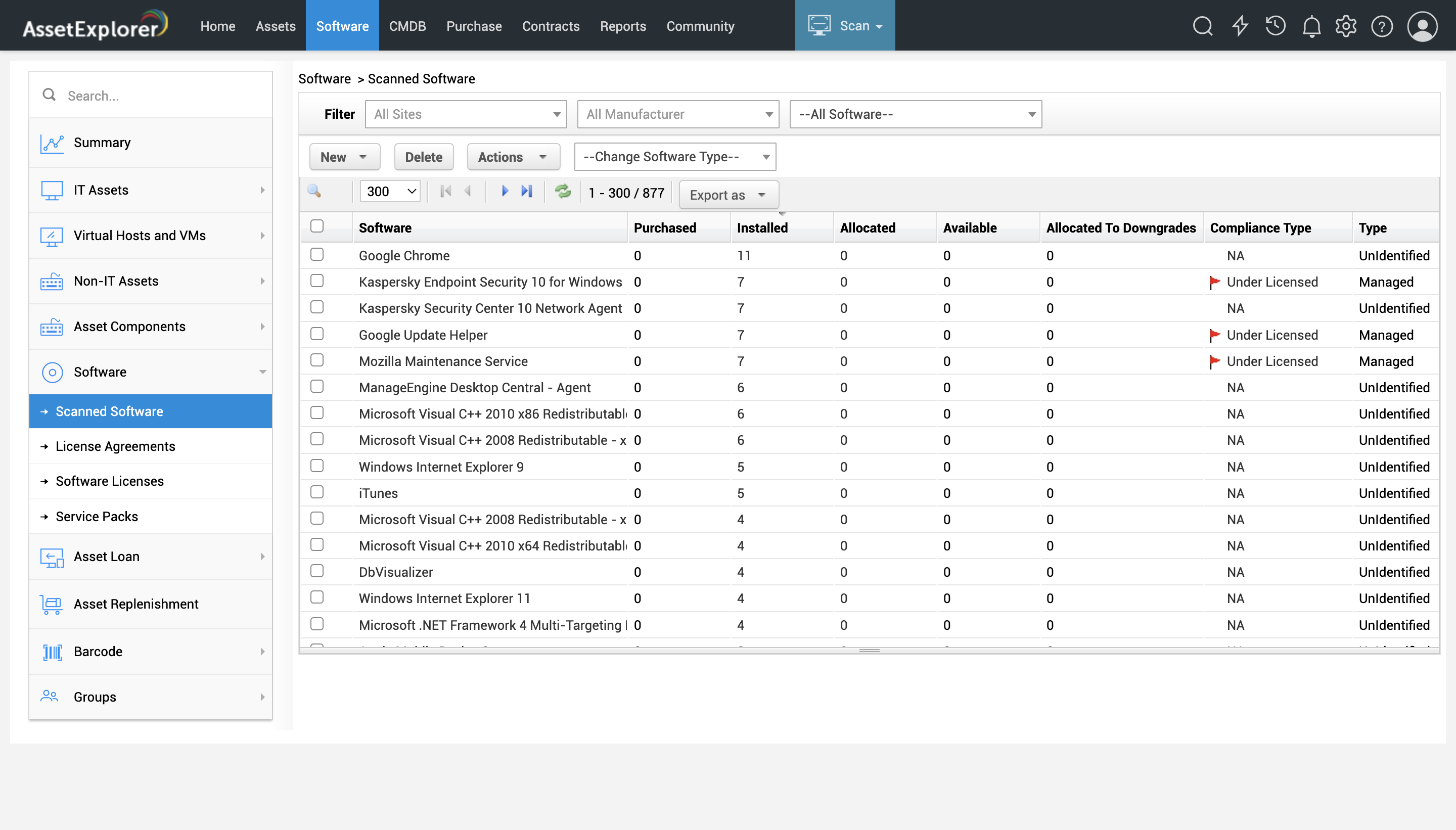
ManageEngine AssetExplorer is an IT asset management platform that provides hardware and software discovery, lifecycle management, and configuration management in one system. It supports both cloud and on-premises deployment models. The platform is designed to offer quick setup and ongoing visibility into asset usage and compliance.
Key features include:
- Automated asset discovery: Uses agent-based and agentless methods to identify and inventory IT assets in real time.
- Software and license management: Tracks installations, monitors usage, and maintains up-to-date license compliance status.
- Visual asset lifecycle design: Offers a drag-and-drop interface to define and automate lifecycle stages for different asset types.
- Built-in reporting and dashboards: Generates reports and dashboards to support audit readiness and strategic decision-making.
- Integrated configuration management database: Provides a centralized view of configuration items and their dependencies.

Source: ManageEngine
IT Service Management Platforms with ITAM Capabilities
8. ServiceNow IT Asset Management

ServiceNow IT Asset Management is built on the ServiceNow platform and manages hardware, software, and cloud assets within a unified system of action. It automates asset lifecycle processes and provides AI-driven insights into cost, usage, and compliance. The platform supports large-scale enterprise automation across departments.
Key features include:
- Unified asset lifecycle automation: Automates onboarding, tracking, renewal, and retirement processes across asset types.
- Software and SaaS asset management: Provides visibility into software installations, SaaS usage, and licensing risks.
- Hardware asset management: Tracks physical assets and reduces risk through structured lifecycle management.
- Executive dashboards: Delivers high-level insights into asset costs, usage, and compliance across the enterprise.
- Cloud cost management: Monitors cloud infrastructure spending and resource utilization to control IT costs.

Source: ServiceNow

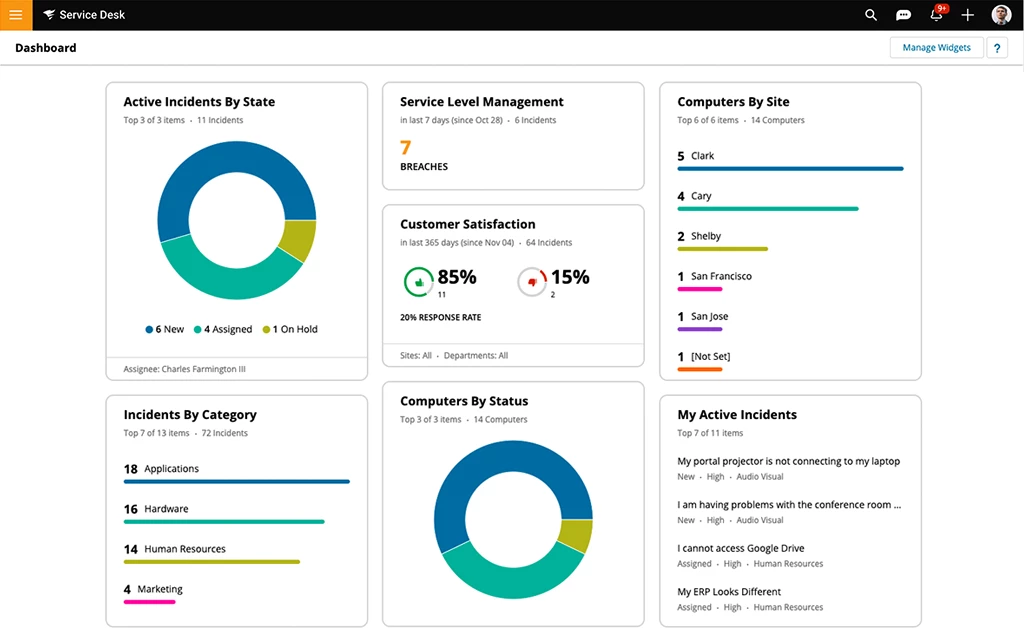
9. SolarWinds Service Desk

SolarWinds Service Desk is a cloud-based IT service management platform that includes integrated IT asset management capabilities. It combines ticketing, change management, and asset tracking within a unified system. The platform uses AI features to help accelerate resolution times and automate service workflows.
Key features include:
- Integrated IT asset management: Tracks hardware and software assets alongside incident and change processes.
- AI-assisted resolution: Uses generative AI and intelligent routing to speed up ticket resolution.
- Centralized ticketing system: Consolidates service requests to reduce email-based workflows and improve visibility.
- Change management workflows: Supports structured change processes to reduce operational risk.
- ITIL-aligned processes: Manages incidents, problems, changes, and assets in line with IT service management best practices.

Source: SolarWinds
10. Jira Service Management

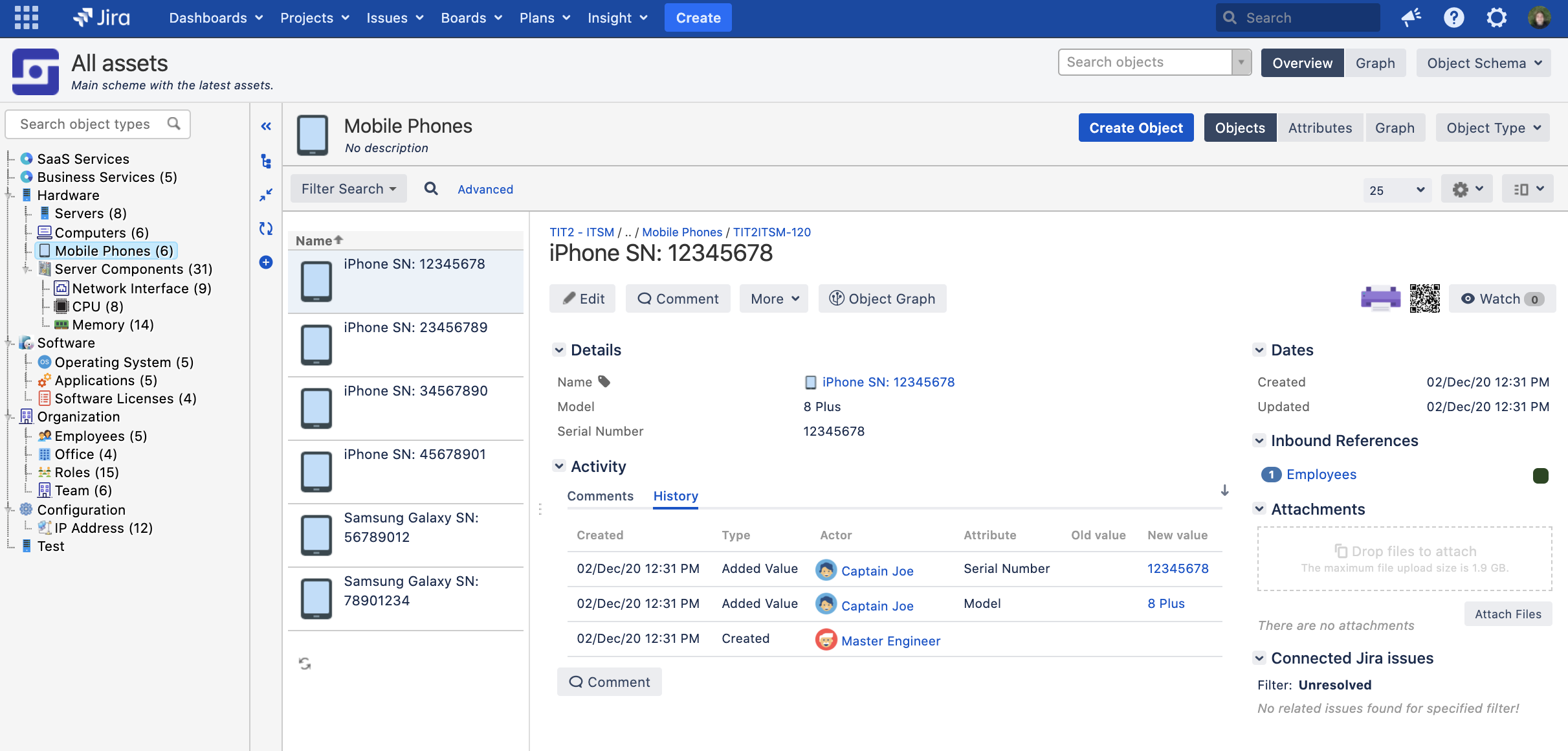
Jira Service Management is an AI-powered service management platform that supports IT and enterprise service workflows. It enables collaboration between development, operations, and business teams while managing incidents, changes, and service requests. The platform integrates AI-driven automation and knowledge management to improve service efficiency.
Key features include:
- Unified service management platform: Manages requests, incidents, and changes within a shared system across teams.
- AI-powered self-service and automation: Uses AI agents to provide always-on support and automate repetitive tasks.
- Incident detection and response support: Groups related alerts and supports faster resolution through contextual insights.
- Cross-team collaboration: Connects Dev and Ops teams on a single platform to manage deployments and service disruptions.
- Extensive integration ecosystem: Supports integrations and marketplace apps to extend functionality across enterprise environments.

Source: Atlassian
Related content: Read our guide to IT inventory management
Conclusion
IT asset management software plays a crucial role in optimizing the use of IT resources, ensuring compliance, and simplifying operations. By automating processes such as asset tracking, lifecycle management, and compliance monitoring, these tools help organizations reduce costs, minimize risks, and make data-driven decisions. With features like real-time visibility, workflow automation, and comprehensive reporting, ITAM solutions help IT teams to manage assets across their entire lifecycle efficiently.
Not all IT asset management (ITAM) solutions offer genuine visibility into the interactions of IT assets. Faddom distinguishes itself as the top platform for organizations seeking more than just basic asset tracking. It provides real-time, agentless dependency mapping that improves IT decision-making, enhances security, and promotes cost savings. For companies aiming for comprehensive control over their IT environment, Faddom is the ideal choice!